
Syria Discusses Reconstruction with Turkey and Logistics Corridor with UAE via Iraq and the Gulf
Syria’s reconstruction and infrastructure agenda advanced through two parallel tracks: Syrian-Turkish talks on housing, safe cities, and Türkiye’s post-2023 earthquake reconstruction experience,
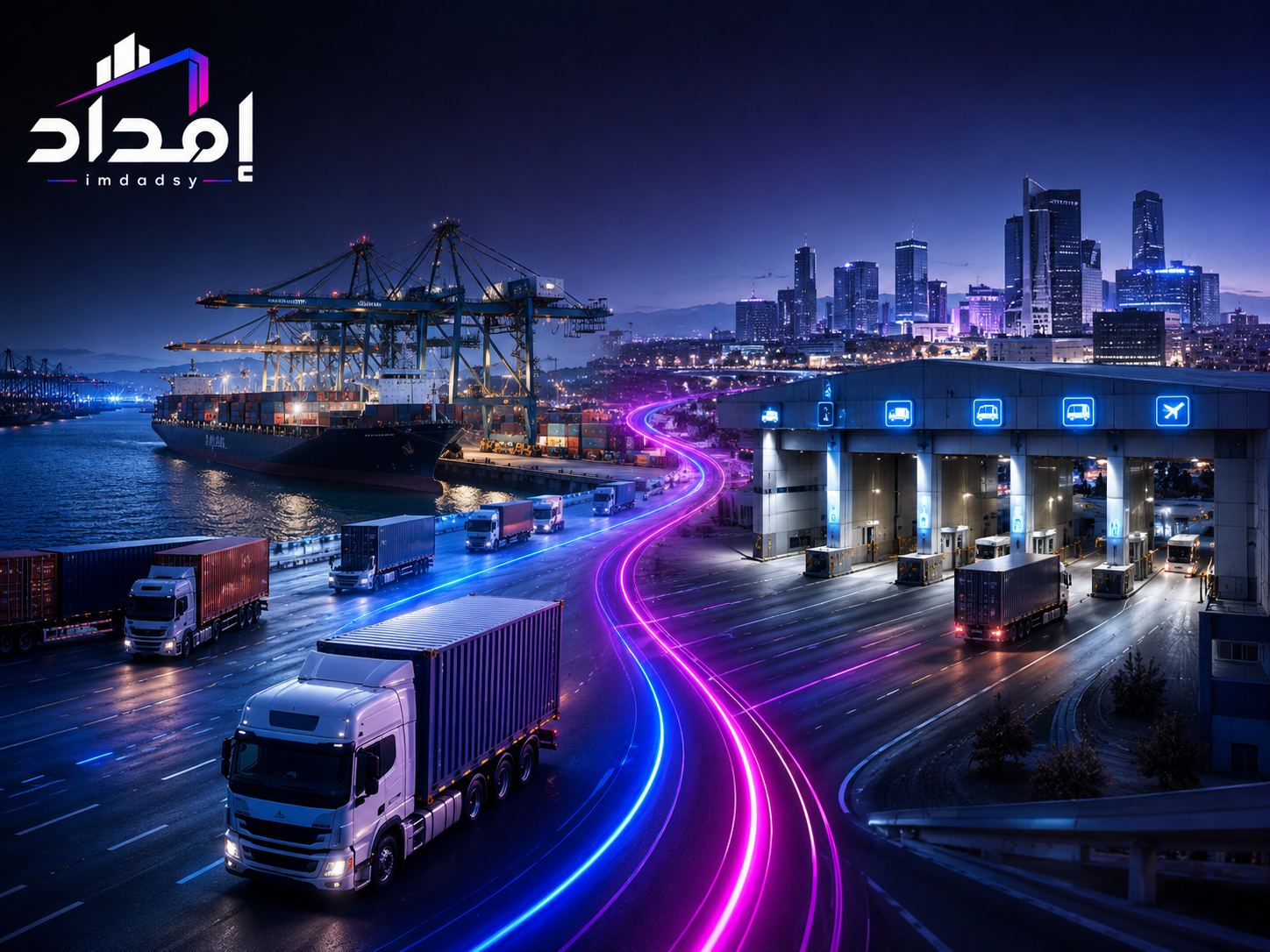
Talks related to reconstruction and infrastructure in Syria are accelerating, with two key tracks emerging in recent days: the first with Türkiye in housing, urban planning, and institutional development, and the second with the UAE in ports, border crossings, free zones, and logistics corridors.
On the Turkish track, Turkish Ambassador to Damascus Nuh Yilmaz discussed cooperation opportunities with Syria's Minister of Public Works and Housing in reconstruction projects and the development of safe cities. The discussions focused on benefiting from Türkiye's post-2023 earthquake reconstruction experience, particularly in urban planning, disaster management, rapid implementation, and housing safety standards.
This cooperation is important because Syria needs large-scale urban solutions that go beyond repairing damaged buildings. The country needs modern residential zones, service infrastructure, roads, public facilities, and urban areas capable of supporting population return and economic activity.
On the UAE track, Syria's General Authority for Land and Sea Ports and Customs discussed with a high-level Emirati delegation projects to develop ports, crossings, and free zones, in addition to the development of the Al-Tanf crossing as an integrated logistics hub serving regional trade.
The meeting addressed the idea of creating a logistics corridor linking Syrian ports to Gulf countries through Iraq and the port of Umm Qasr, helping reduce transport time and costs while improving the flow of goods. The talks also covered Abu Dhabi Ports Group's interest in investing in dry ports inside Syria, particularly the free zone and dry port project at Al-Tanf.
The proposed vision extends to linking Syrian ports with UAE ports and potentially establishing a joint land transport line for trucks connecting Syrian ports to Umm Qasr and then to Khalifa Port in the UAE. If these ideas move into implementation, Syria could become an important transit point between the Eastern Mediterranean, Iraq, and the Gulf.
The importance of these files lies in placing reconstruction within a broader economic and logistics framework. Ports, crossings, railways, and roads are not merely infrastructure projects; they are tools to reduce trade costs, attract investment, stimulate industry, and reconnect the Syrian market with regional markets.
However, turning these talks into practical results will require clear financing models, legal frameworks, transparency in project awards, and security and technical coordination across crossings and international roads. If achieved, these partnerships could become one of Syria's most important gateways back to its role as a regional trade link